Tiny interventions
Tagged 'with love'
PROJECT TAGS
Design for happiness |
Process design
PROJECT DETAILS
Designer
Oye happy
6 weeks (concurrent work)
ROLE
Problem identification, Intervention design
DELIVERABLE
Artefact designed as an intervention, Process design
OBSERVATION
Increase in Customer Complaints about quality of assembly
During my tenure at Oye Happy, an innovative gifting products company, we began noticing an increase in customer complaints regarding assembly quality.
CONSTRAINTS
Operational challenges of building high SKUs on a day-to-day basis
Oye Happy managed over 500 unique products, with about 50 bestsellers in stock as dispatch-ready, many of which were assembled in-house.
Identifying Opportunity
Improve Accountability and Employee Ownership
I recognized an opportunity to address this issue by introducing a simple yet effective intervention aimed at improving accountability and employee ownership in the assembly process.
Guiding Vision
To design a process intervention to improve ownership of production employees towards the products they make.

I recognized an opportunity to address this issue by introducing a simple yet effective intervention aimed at improving accountability and employee ownership in the assembly process.
where did the problem begin?
Base-stock system for replenishment
In 2020, Oye Happy’s product inventory followed a base-stock replenishment system, meaning that as orders were shipped, the inventory was replenished the following day. For instance, if six units of Product X were shipped on Day 1, six more units were assembled on Day 2.
when and How did the problem begin?
Rapid Growth resulting in spike in demand
With a sudden increase in order volume, the replenishment team had to be scaled quickly to cater to the increase in stock demand. This resulted in hiring new employees from unorganized sectors on daily wages and a disrupted training.
what kind of problems emerged?
Increase in errors, Reduced Quality, Disrupted Team Dynamics
This swift expansion, however, came with challenges:
Quality Issues: Increased errors, such as incorrect labels, missing components, and overall inconsistencies in assembly quality.
Team Dynamics: With the influx of new hires, a “blame game” culture emerged, harming morale and the overall work environment.
what kind of problems emerged?
Increase in errors, Reduced Quality, Disrupted Team Dynamics
This swift expansion, however, came with challenges:
Quality Issues: Increased errors, such as incorrect labels, missing components, and overall inconsistencies in assembly quality.
Team Dynamics: With the influx of new hires, a “blame game” culture emerged, harming morale and the overall work environment.
Context: Rapid Growth and Quality Challenges
In 2020, Oye Happy’s product inventory followed a dynamic replenishment model, meaning that as orders were shipped, the inventory was replenished the following day. For instance, if six units of Product X were shipped on Day 1, six more units were assembled on Day 2. With a sudden increase in order volume, the replenishment team scaled quickly, hiring new employees from unorganized sectors on daily wages.
This swift expansion, however, came with challenges:
Quality Issues: Increased errors, such as incorrect labels, missing components, and overall inconsistencies in assembly quality.
Team Dynamics: With the influx of new hires, a “blame game” culture emerged, harming morale and the overall work environment.
Intervention: Implementing Accountability and Ownership
To tackle these issues, I proposed a simple yet impactful solution aimed at building a sense of ownership among the team:
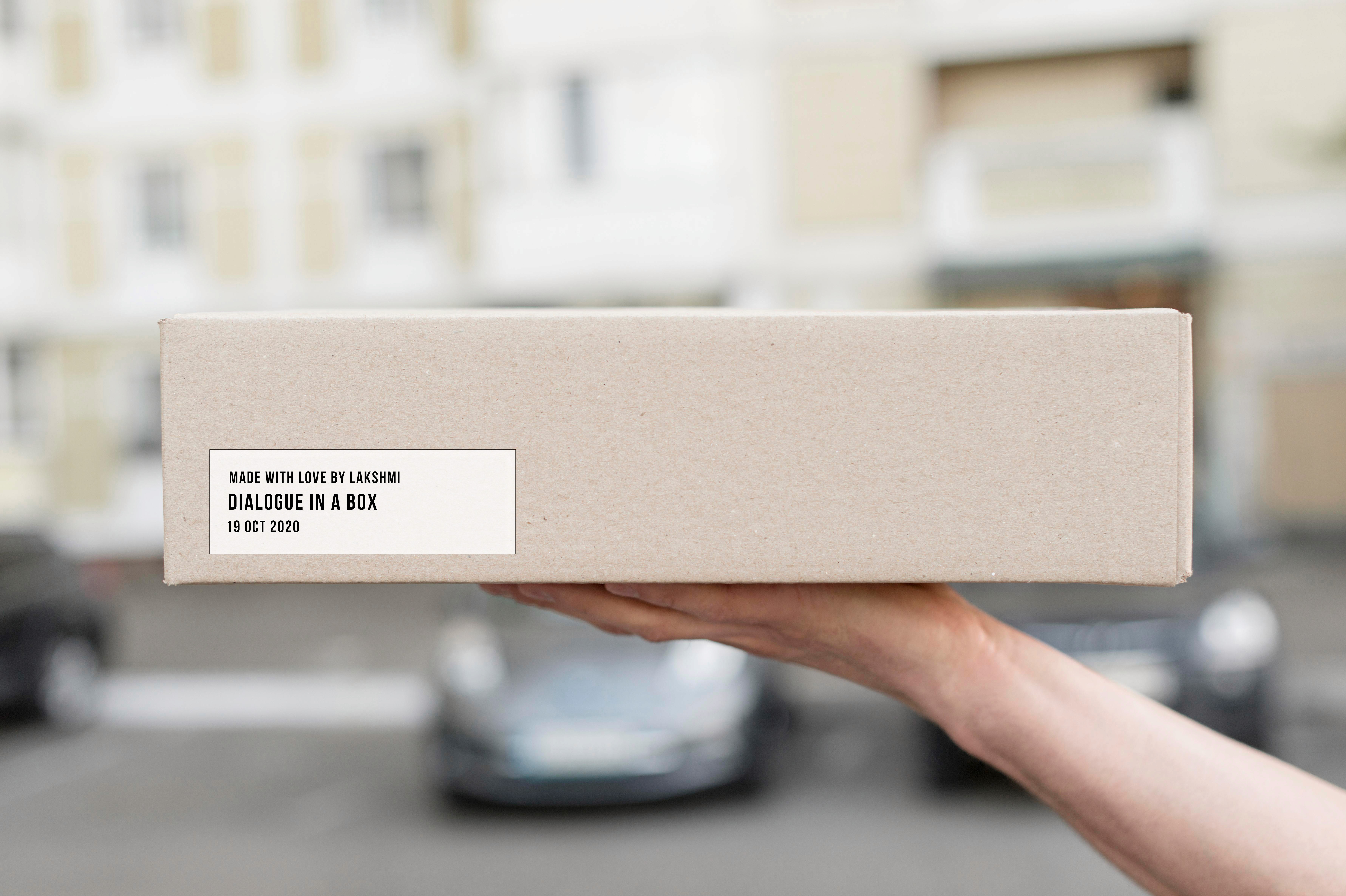
Personalized Product Tags: We decided to add a tag to each assembled product, mentioning the name of the person who assembled it and the date. For example, a tag would read: “Made with love by Lakshmi on 21st September 2024.”
Goals of the Intervention:
Increase Accountability: By tagging their name on each product, employees became more conscious of their work, directly affecting their sense of responsibility.
Humanize the Brand: The personalized tags provided a "peek behind the scenes" for customers, adding a human touch to the brand’s image.
Boost Employee Morale: Recognizing their work through this small step fostered pride and personal connection to the products.
Results: Significant Improvement in Assembly Quality
Within 12 weeks of implementing the personalized tags, Oye Happy saw a 72% reduction in assembly errors. This improvement highlighted how even a small, thoughtful intervention could have substantial positive effects on both quality control and team morale.
Key Takeaways and Reflections
This experience underscored the importance of designing solutions that not only address quality and efficiency but also nurture employee engagement and recognition. By focusing on accountability and connecting employees to the brand’s mission, we were able to create a more cohesive, motivated team and deliver a better product to customers.
A simple label empowered employees and strengthened the brand’s relationship with its audience.
view other projects
2016-2022 | D2C Product Design
Memory Magnets
Designing re-usable personalised magnets for D2C experience economy
Product Strategy
Industrial Design

2020 | Oye Happy Giftcom Pvt. Ltd.
Pandemic shift
Strategy to continue D2C operations during total lockdown in India
Design Strategy
Service Design
User Research